Vanguard Steel Ltd. | Vancouver Branch
Lifting Solutions | Vancouver

Lifting Products. Technical Knowledge.

Chain slings, synthetic slings, wire rope slings, rigging hardware and lifting equipment. Find the right products, calculations and technical information for the lift.

Products and technical support backed by the Vanguard Steel Vancouver team.
Lifting Tools & Chain Systems

Plan the lift.
Choose the system.

Configure a chain sling, review technical information or explore our Grade 80 and VQ Grade 100 chain and component systems.

Interactive Lifting Tool

Chain Sling Calculator

Build a Grade 80 or Grade 100 chain sling by selecting the number of legs, chain size, sling angle and configuration. Review the applicable working load limit before moving into the product system.
Technical Knowledge

Grade 80 & Grade 100 Technical Guide

Compare chain grades, review working load limits and understand the configurations used to build a complete chain sling.

  • Grade 80 and Grade 100 working load limits
  • Common chain sling configurations
  • Build a Chain Sling guidance
  • Chain size and sling-angle information
  • Links to chain and component systems
Chain & Components

Explore the complete system

Move directly into the Grade 80 or VQ Grade 100 product range, or open the corresponding catalogue.

Alloy Lifting System

Grade 80

Grade 80 chain, hooks, links and components for chain sling assemblies and lifting applications.

VQ Alloy Lifting System

VQ Grade 100

High-strength VQ Grade 100 chain and components with increased lifting capacity for the same nominal chain size.

Lifting Products

Built for the lift.

Explore lifting, rigging and material-handling products selected for demanding industrial applications and supported by the Vanguard Steel Vancouver team.

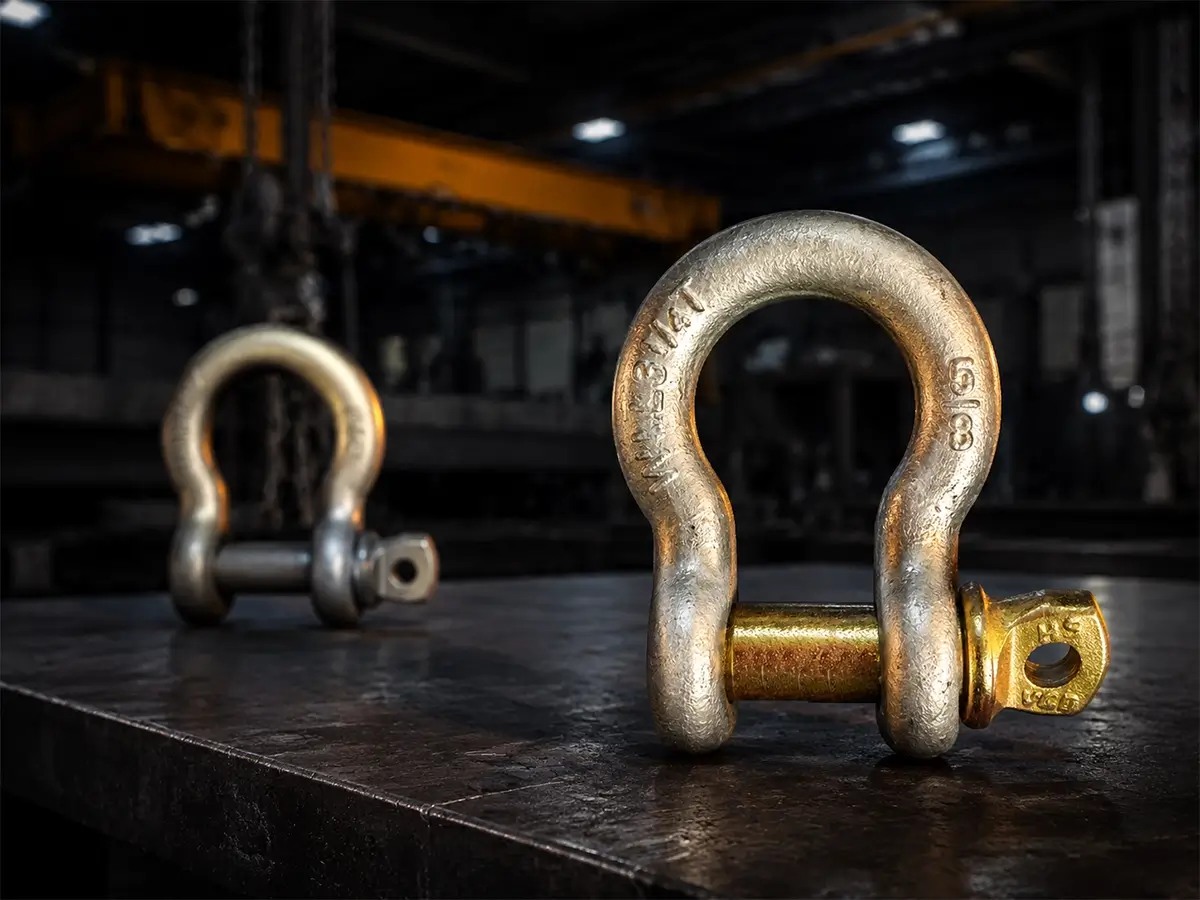
VGD Gold Pin and Silver Pin lifting shackles 01

Shackles

VQ Gold Pin, Silver Pin and specialty shackles for lifting, rigging and load-connection applications.

Explore Products
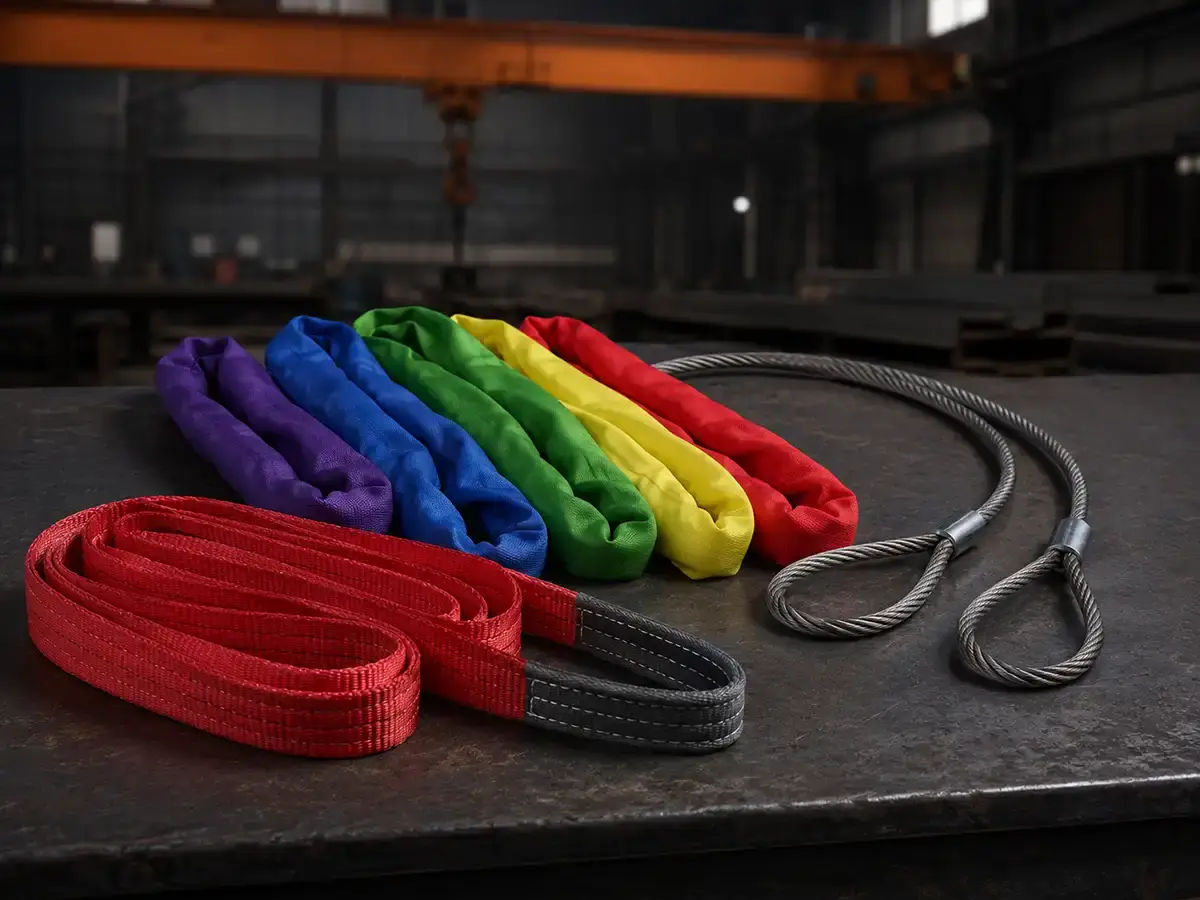
Synthetic and wire rope lifting slings 02

Lifting Slings

Synthetic web slings, round slings and wire rope slings for a broad range of lifting applications.

Explore Products
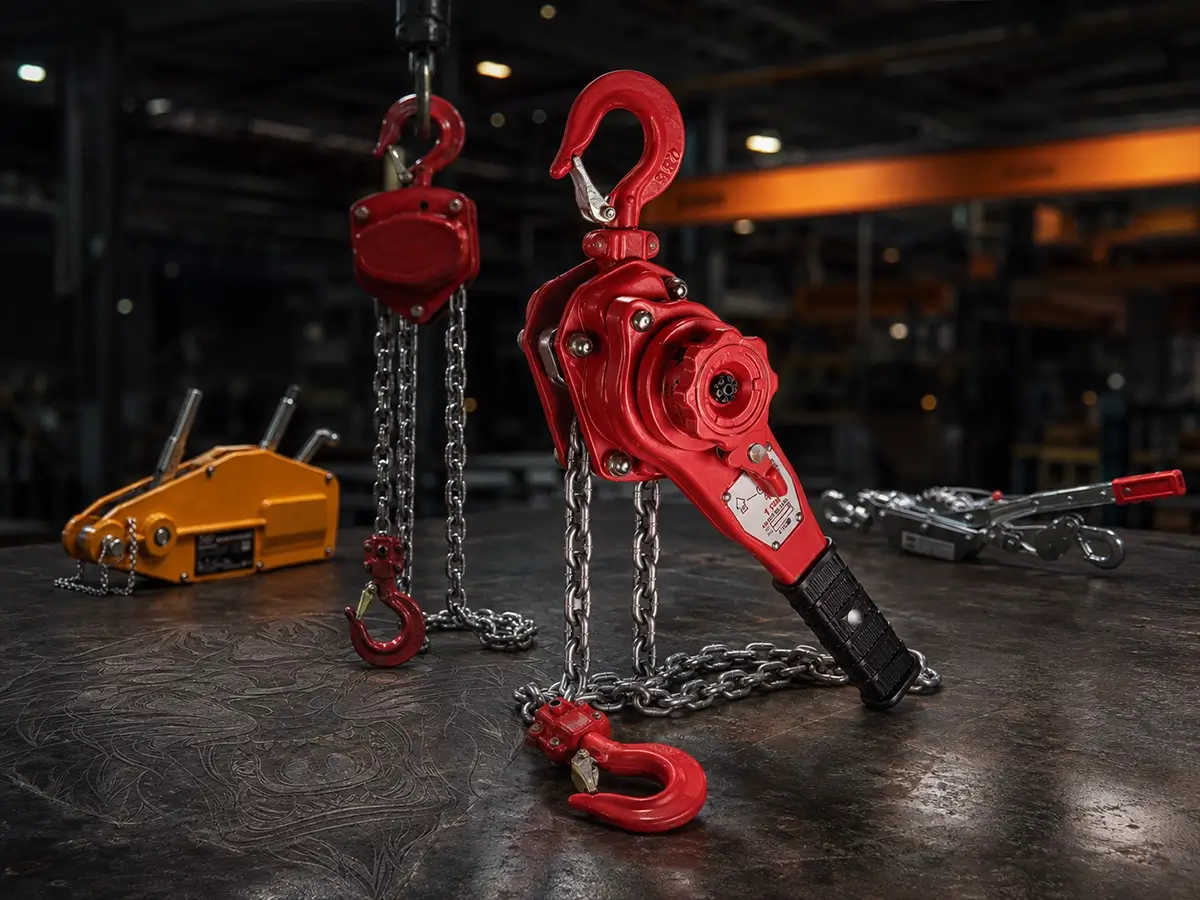
Red Beast lever hoists, chain hoists and pullers 03

Hoists & Pullers

Lever hoists, chain hoists, cable pullers and related equipment for lifting, tensioning and positioning.

Explore Products
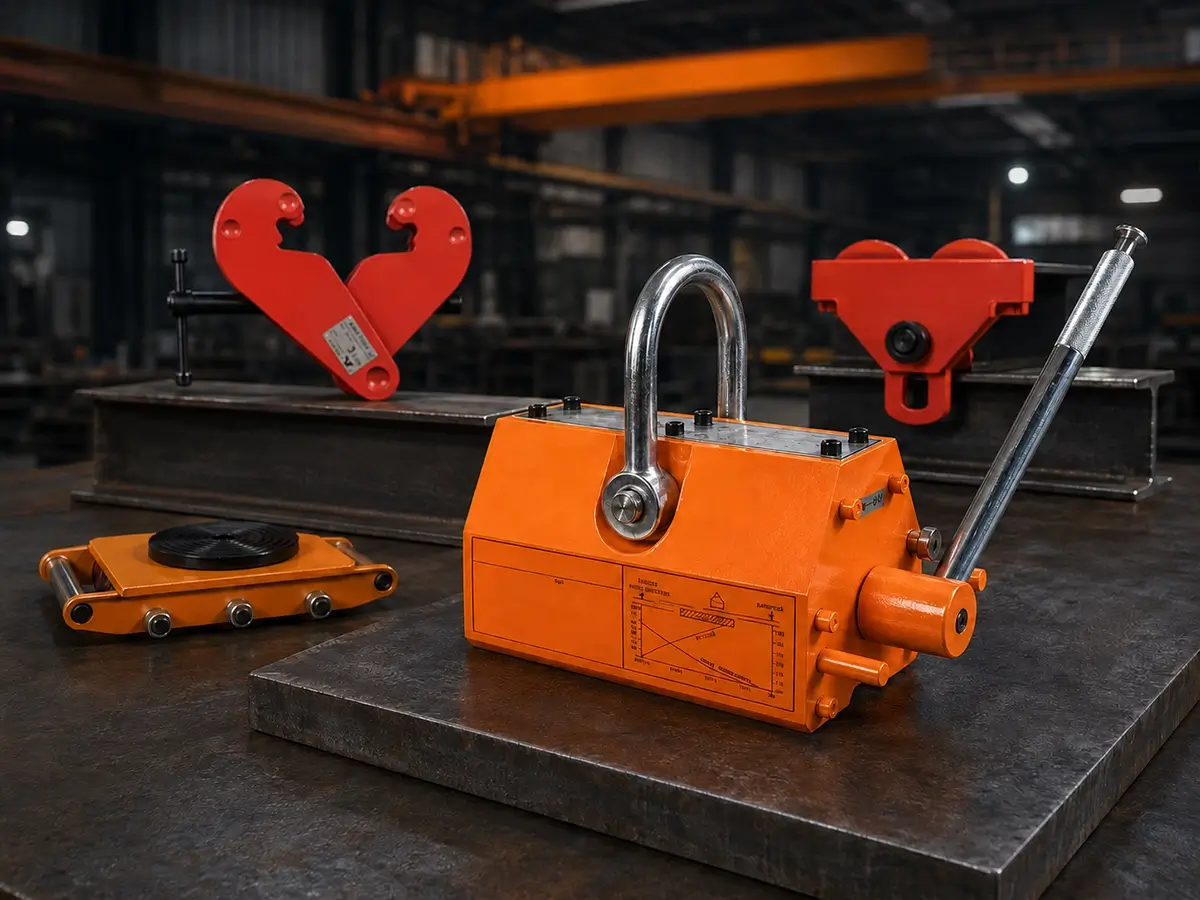
VGD magnetic lifter, beam clamp, trolley and machinery skate 04

Clamps & Magnets

Plate clamps, beam clamps, lifting magnets and attachment solutions for handling steel and fabricated materials.

Explore Products
Inspection & Safety

Inspection matters.

Lifting equipment should be checked before use and inspected at intervals appropriate to the equipment, application and service conditions. When damage or uncertainty exists, remove the equipment from service until it has been assessed by a qualified person.

01
User Check

Before Every Use

Complete a visual and functional check before the equipment enters service.

  • Confirm identification and capacity markings are present and legible
  • Check for distortion, wear, corrosion, cuts, broken fibres and wire damage
  • Inspect hooks, latches, pins, links, eyes and attachment points
  • Confirm chains, controls, brakes and operating mechanisms function correctly
  • Verify the equipment is appropriate for the planned lift
02
Scheduled Review

Frequent & Periodic

Detailed inspection intervals depend on the equipment, use, service severity, environment and applicable requirements.

  • Inspection should be completed by a person qualified for the equipment
  • Examine wear, elongation, deformation and dimensional changes
  • Inspect load-bearing parts, welds, fasteners, brakes and operating mechanisms
  • Increase inspection frequency for severe or unusual service conditions
  • Record findings, corrective action and disposition where required
03
Stop and Isolate

Remove From Service

Equipment showing damage, malfunction or questionable condition should not remain available for use.

  • Cracks, bending, stretching, twisting or permanent deformation
  • Excessive wear, corrosion, gouging or damaged load-bearing surfaces
  • Heat damage, welding, unauthorized repair or chemical exposure
  • Missing identification, damaged latches or incomplete components
  • Faulty brakes, controls, chains, wire rope or operating mechanisms
This information provides general inspection guidance. It does not replace manufacturer instructions, applicable regulations, equipment-specific standards or inspection by a qualified person.

Inspection Resources

Download. Inspect. Document.

Practical resources for pre-use awareness and documented inspection programs. Use each resource with the manufacturer’s instructions, workplace procedures and the requirements applicable in your jurisdiction.

01 Available

Training Guide

Pre-Use Inspection Guide

A visual training guide showing the basic checks to complete before lifting equipment or rigging hardware enters service.

  • Identify the equipment and rated capacity
  • Look for physical damage and deformation
  • Check connections and operating components
  • Know when to stop and remove equipment from use
02 Coming Next

Retained Record

Periodic Inspection Record

A documented inspection form for recording equipment condition, defects, corrective action and final disposition.

  • Equipment and asset identification
  • Detailed component inspection
  • Defects and corrective action
  • Inspector, date and next inspection
Record Coming Soon
03 Planned

Detailed Record

Comprehensive Inspection Record

A more detailed component-level record for comprehensive periodic, return-to-service or other required inspections.

  • Inspection interval and reason
  • Component measurements and condition
  • Repair, quarantine or retirement decision
  • Qualified inspection documentation
Record Planned

Verify Local Requirements

These resources provide general information and do not replace manufacturer instructions, employer procedures, applicable standards, or laws and regulations in your jurisdiction. Confirm all workplace requirements with the responsible regulatory authority. Where another requirement is more stringent, follow it.